The 2026 elections and ranked choice voting
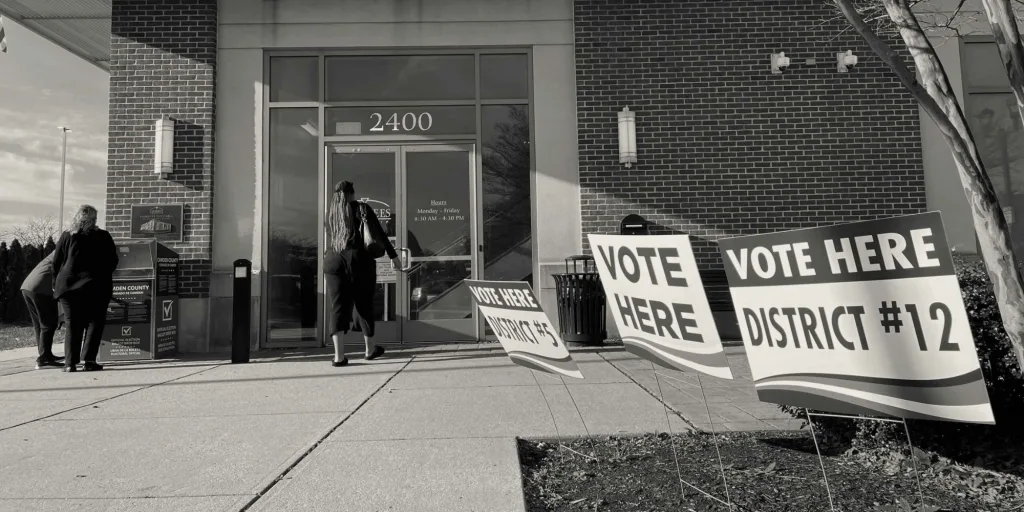
The 2026 elections are underway. This year, 18 cities, counties, and states will use ranked choice voting (RCV) – a voting reform that gives voters more choice and more power. They include Alaska and Maine – which use RCV statewide – as well as 13 cities and three counties.
RCV will be used in major House and Senate elections that could determine control of the U.S. Congress. It will also be used to choose governors, mayors, city councilors, and other officeholders.
Below is a breakdown of where RCV will be used in the 2026 elections – and how we’re already seeing it improve the 2026 primaries. Keep an eye on FairVote’s website in the coming weeks for more updates, including details on the RCV elections to watch this November.
Join us today Join us today Join us today Join us in our missionJoin us today Join us today Join us today Join us today Join us today Join us today Join us today Join us today Join us today Join us today Join us today Join us today
Ranked choice voting uses in 2026 primary & special elections
| Jurisdiction | Elections using RCV | Date |
|---|---|---|
| New York, NY | Special elections for City Council | April 28 |
| San Francisco, CA | Special elections for Board of Supervisors | June 2 |
| Maine | Primaries for U.S. Senate, U.S. House, Governor, State Senate, and State House | June 9 |
| Washington, DC | Primaries for Mayor, City Council, U.S. House delegate, and other offices | June 16 |
| Arlington, VA | Primary for County Board | August 4 |
Ranked choice voting uses in November
| Jurisdiction | Elections using RCV |
|---|---|
| Alaska | U.S. Senate, U.S. House, Governor, State Senate, State House |
| Maine | U.S. Senate, U.S. House |
| Washington, DC | Mayor, City Council, House delegate, and other local offices |
| Albany, CA | City Council,* School Board* |
| Berkeley, CA | City Council, auditor |
| Oakland, CA | Mayor, City Council, School Board, city auditor |
| San Francisco, CA | Board of Supervisors, assessor-recorder, public defender |
| San Leandro, CA | Mayor, City Council |
| Boulder, CO | Mayor |
| Arden, DE | Board of Assessors* |
| Portland, ME | City Council, School Board |
| Takoma Park, MD | Mayor, City Council |
| Benton County, OR | County Commissioner |
| Corvallis, OR | Mayor, City Council |
| Multnomah County, OR | County chair, county commissioner, auditor, and sheriff |
| Portland, OR | City Council*, auditor |
| Arlington County, VA | County Board |
Burlington, VT was scheduled to use ranked choice voting in its March general elections, but did not because not enough candidates ran.
Ranked choice voting in the 2026 primary elections
The June primaries in Maine and Washington, DC offer an early opportunity to see RCV in action.
Research shows that ranked choice voting fosters more positive campaigns, since candidates need to appeal to voters who are ranking someone else first on their ballot. Already, in Maine and Washington, DC, candidates from both major parties have complimented each other on the debate stage, and campaigned side by side. In some cases, pairs of candidates running for the same office have even “cross-endorsed” – encouraging voters to rank both on their ballots.
Moreover, ranked choice voting identifies winners with majority support in a single, high-turnout primary. It’s a better, faster, cheaper alternative to the delayed runoff elections some states use – which often see high costs and low turnout. Today, for instance, Texas is holding a delayed runoff in its Republican U.S. Senate primary, subjecting voters to another 12 weeks of negative campaigning for a race in which fewer people are likely to vote.
And in states without runoffs or RCV, we’ve seen candidates win with just a small fraction of voters behind them. In an Illinois congressional primary this March, for example, the winner had just 24% of the vote.
Watch: A conversation on RCV and the 2026 primaries
The role of RCV in the 2026 primaries was the topic of a recent FairVote virtual event, which featured FairVote’s David Daley, journalist Chris Cillizza, Grow Democracy DC co-founder Lisa D.T. Rice, Democracy Maine Executive Director Chrissy Hart, and CalRCV co-founder Tom Charron.
During the webinar, Cillizza highlighted how the incentives of choose-one elections in gerrymandered districts reward toxic behavior by candidates – and ultimately make government less functional:
There’s no question the broad movement [from the major political parties] is away from competition. And this is the worst part about it – and this is why ranked choice is so important – [that movement is] away from candidates who have to talk to anyone other than the hardcore of their base.
And that is a giant problem. Because guess what they have on their mind when they get to Washington? It is not ‘let me figure out ways that I can work with the other side…’
Human nature is not going to change. We need to make systemic change that incents different behavior.
Later in the discussion, Hart explained how RCV has made the tone of Maine’s crowded and competitive primaries for governor less toxic:
The tenor of the primary election season has been deeply influenced by the use of RCV. In recent gubernatorial primary debates for Republicans and Democrats, we’ve seen candidates singing one another’s praises…
It’s really served to demonstrate commonality and even camaraderie among candidates, at a time when that’s the last thing we expect.
You can watch the full discussion on RCV and the 2026 primaries here.