The future of Black political representation and power
The Supreme Court’s decision in Louisiana v. Callais has profoundly reshaped the landscape of voting rights, and raised urgent questions about how Black communities can protect representation and continue to build political power. On September 16, FairVote and Black Voters Matter co-hosted a panel at the Congressional Black Caucus Foundation’s Annual Legislative Conference to discuss these questions.
This session brought together a distinguished group of civil rights leaders and scholars to discuss the history and legacy of the Voting Rights Act, the post-Callais legal and political landscape, and the range of approaches being discussed to protect and strengthen Black political representation and power.
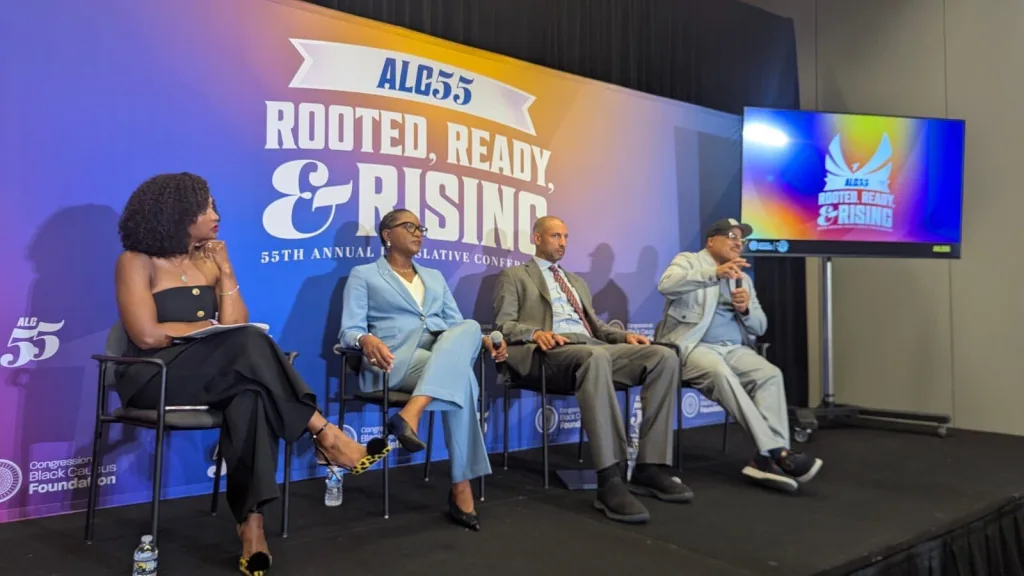
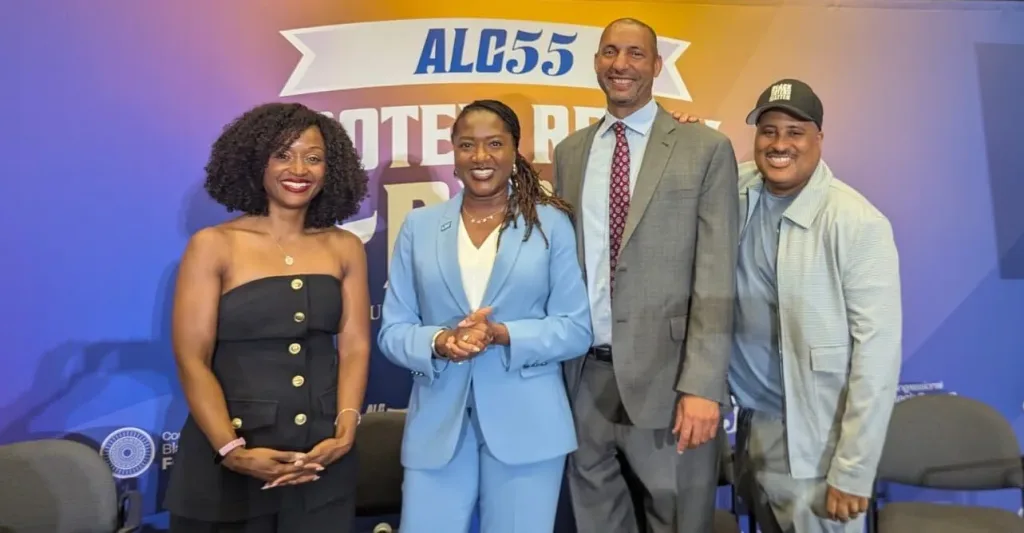
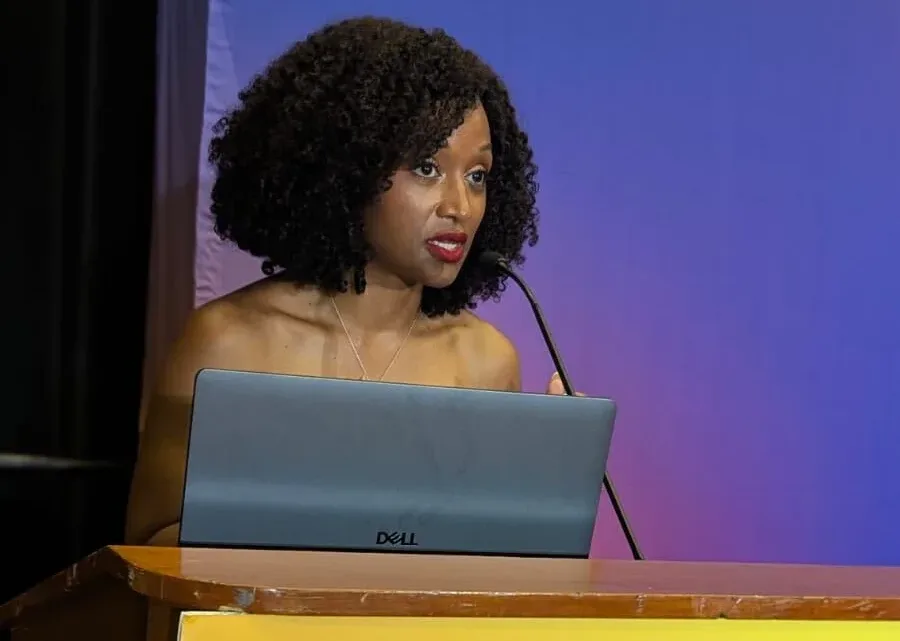
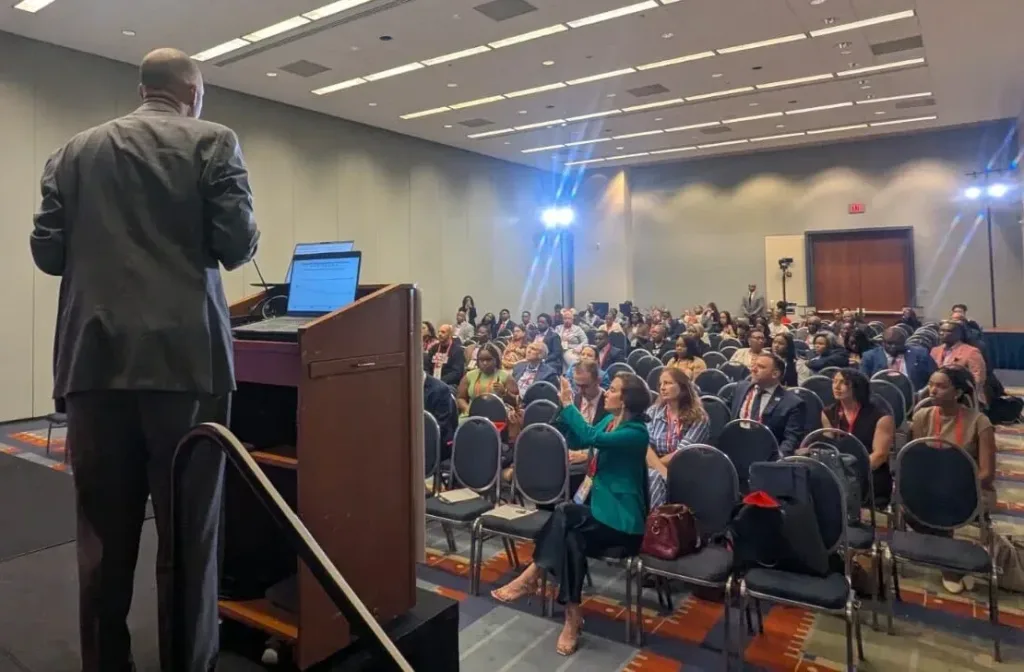
Photos from the panel by FairVote and Black Voters Matter
The event was moderated by Lakeisha Steele, vice president of federal affairs and partnerships at FairVote. The panelists were:
- Cliff Albright, co-founder and co-executive director at Black Voters Matter
- Janai Nelson, president and director-counsel at the NAACP Legal Defense Fund
- Spencer Overton, professor of law at George Washington University, and founder and faculty director at the GW Law Multiracial Democracy Project
In the discussion, Nelson noted that although the Voting Rights Act was “always held up as the emblematic, most muscular legislation that came out of the Civil Rights Movement… it wasn’t quite enough.” She also talked about the role of alternative voting systems as a part of reimagining a democracy that works for all.
[The Callais decision is] an invitation to do something much bolder and broader than what we had before.
– Janai Nelson
Overton argued that simply banning partisan gerrymandering is not enough to secure Black representation in state legislatures and Congress, and called Callais an “opportunity to kind of reset and… reimagine.” He highlighted proportional representation (PR) as a part of the solution, and noted that the late civil rights attorney, Lani Guinier, championed the reform.
Even race-blind, party-blind single-member districts generally produce Black representation well short of proportionality. So after Callais, we should not only ban partisan gerrymandering, but also consider adopting proportional representation—a race-neutral system in which a group’s share of votes translates roughly into its share of seats.
– Spencer Overton
Albright shared that Guinier’s support for PR was one of the reasons her nomination to the Department of Justice failed in 1993, since the two major parties felt PR would threaten their power.
Albright offered this note of encouragement to those in the voting rights movement:
Try. Be willing to do and make mistakes. In trying, we may fall short, but guess what? In falling short, we will still move one step closer to liberation.
– Cliff Albright
Learn more about the Louisiana v. Callais decision, and how PR can protect voting rights.