The 2025 elections heading for delayed runoffs
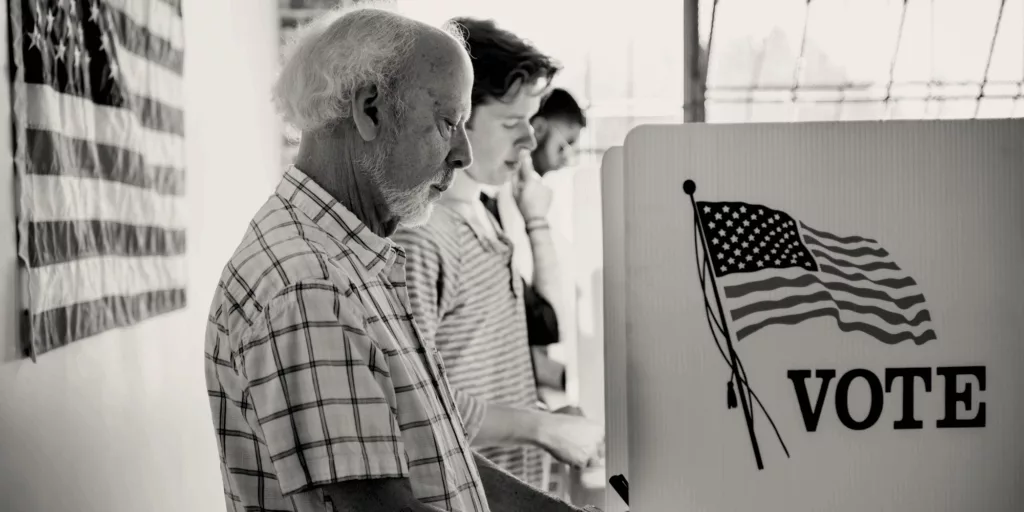
Voters across the United States went to the polls on Tuesday to elect local, state, and federal officials. In several jurisdictions, voters will have to return to the polls for delayed runoffs because no candidate earned a majority of the vote.
Ranked choice voting (RCV) is a faster, cheaper, better alternative – promoting majority rule without the hassle or expense of delayed runoffs. More voters can make their voices heard on a single, high-turnout Election Day.
Sign up for the latest news from the ranked choice voting movement, or get involved in your community.
Delayed runoffs are supposed to ensure elected officials have support from a majority of their constituents, but turnout often plummets so much that they fail to meet that goal. A 2024 FairVote report on federal primary runoffs found that runoff turnout falls by an average of 40%, and that:
81% of candidates who won runoffs in 2024 received fewer votes in the runoff than they did in their initial primary, essentially negating the runoff’s purpose. Additionally, every 2024 primary runoff was decided by a margin smaller than the number of first-round voters who chose to stay home.
Runoffs also come at a high cost to taxpayers – meaning Americans effectively pay more for less.
Read on to learn about some of the 2025 elections heading to runoffs – and how ranked choice voting could replace them, as it has in several of the 18 cities and counties that used the method around the nation this year. You can also watch the video below for a summary from FairVote researcher Rachel Hutchinson.
Albuquerque, NM
In New Mexico’s largest city, incumbent Mayor Tim Keller faced a crowded field of six challengers, including Sheriff Darren White. Keller received 36% of the vote while White received 31%, and the two will advance to a runoff on December 9. Runoffs will also be conducted in City Council Districts 1 & 3.
Compare Albuquerque with Las Cruces and Santa Fe – New Mexico’s second- and third-largest cities – which already use RCV. In a similarly crowded mayoral race in Santa Fe, candidate Michael Garcia led with 36% of first-choice support and was elected via the “instant runoff” offered by RCV. Santa Fe voters will not have to return to the polls a second time to pick a majority-supported mayor.
Albuquerque runoffs have a history of high costs and low turnout. In 2023, the Duke City held a delayed runoff for City Council District 4; the Bernalillo County Clerk requested $1.2 million from the County Commission to conduct the runoff for that single seat, and turnout declined by 38%. County taxpayers paid more for less.
Common Cause New Mexico is leading an effort to bring RCV to Albuquerque; visit their website to learn more. FairVote also plans to share more analysis of Albuquerque’s runoffs as they approach next month.
Jersey City, NJ
Incumbent Jersey City Mayor Steve Fulop ran in the Democratic primary for governor of New Jersey, leaving his seat open. Seven candidates ran to replace him, including Ward E Councilperson James Solomon, former New Jersey Governor Jim McGreevey, and County Commissioner Bill O’Dea.
Solomon received 29% of the vote and McGreevey received 25%; they will advance to the runoff on December 2. Additionally, in all six Jersey City council districts, three or more candidates ran. Based on preliminary results, four of those council races will go to runoffs.
In a 2021 delayed runoff for Jersey City Ward C councilperson, turnout declined by 45% between the general election and the runoff. RCV would prevent that kind of turnout decline and ensure more Jersey City residents are heard.
Notably, Jersey City has already taken steps toward adopting RCV. In 2024, the City Council passed an ordinance to hold a referendum on RCV if the New Jersey legislature allows cities to use it. Visit Voter Choice New Jersey to learn more.
Santa Clara County, CA
The last runoff of the year will take place on December 30 in Santa Clara County, CA, to choose a new County Assessor. Los Altos City Councilwoman and assistant assessor Neysa Fligor is expected to advance to the runoff, alongside former Saratoga Councilman Rishi Kumar.
The runoff is expected to cost $13 million. And while turnout declines are nothing new in runoffs, the timing of this election – smack in the middle of the holidays – means it will probably be far worse than usual.
Notably, the county’s Registrar of Voters estimates that implementing ranked choice voting would only cost $4 million for the first election cycle: $2.7 million in one-time voter education, and $1.3 million for ongoing costs. In other words, using RCV in this election would have saved county taxpayers $9 million.
Santa Clara County voted to adopt RCV for county elections in 1998, and there have been renewed efforts to implement it in recent years. According to a 2023 poll, 64% of Santa Clara voters support using RCV in county and local elections.
Miami, FL
13 candidates ran in the open mayoral election in Miami, where incumbent Francis Suarez is term-limited.
Miami County Commissioner Eileen Higgins and former City Manager Emilio Gonzalez advanced to the delayed runoff scheduled for December 9, with 36% and 19% of the vote, respectively. A 2009 estimate by the Miami-Dade County Elections Department found the cost of a citywide runoff to be $650,000.
There will also be a runoff for City Commission District 3. In a 2021 runoff for the Miami City Commission District 1 seat, turnout declined by 29% between the initial election and the runoff.
Ranked choice voting would solve both of these problems in Miami – preventing the turnout decline and saving money by consolidating two election days into a single contest.
Texas’ 18th Congressional District
16 candidates ran in the special election to fill a vacancy left by Representative Sylvester Turner, who passed away in March.
No candidate secured a majority of votes on Tuesday, so the top two candidates – Christian Menefee and Amanda Edwards – advanced to a delayed runoff that will likely be held in February. The runoff means voters in TX-18 will be unrepresented in the House for another three months.
If Texas used RCV in special elections, it could fill vacancies without the delay, expense, and likely turnout decline caused by runoffs.
Instead of slow, expensive, and burdensome delayed runoffs, more American states and cities should adopt RCV – just as dozens of jurisdictions across the nation already have. Check out this post to learn how RCV improved elections in cities across the nation this year.