LGBTQ+ candidates win with ranked choice voting

Ranked choice voting (RCV) opens our elections to a more diverse array of candidates. The larger and more diverse candidate pools can lead to outcomes that better reflect marginalized identities, including the LGBTQ+ community.
This is possible because RCV gives voters backup choices and mitigates vote-splitting. RCV ensures candidates from the LGBTQ+ community (and others) aren’t told to “wait their turn” or accused of “splitting the vote” with other LGBTQ+ candidates.
Here are just a few examples of RCV’s impact for the LGBTQ+ community:
In 2021 – the first year New York City used RCV in its primaries – New Yorkers elected a record number of LGBTQ+ members to their city council. Among the new members was Crystal Hudson, the city’s first openly gay Black councilwoman.
As David Daley and Amanda Litman noted in Salon, “ranked choice voting turned the usual incentives on their head. With no fear of vote-splitting or electing a plurality winner, new candidates flooded races and sought to persuade voters based on their vision for New York’s future.”
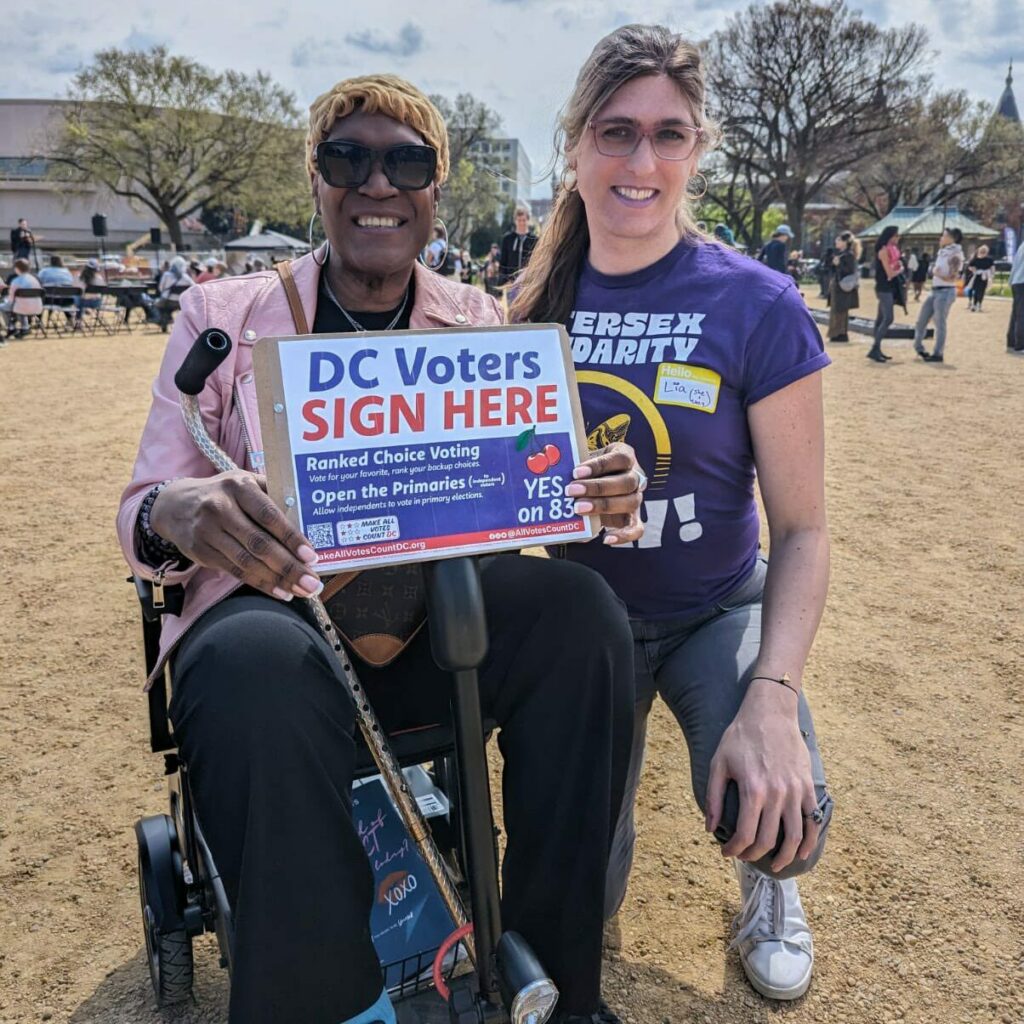
In 2017, Minneapolis elected Andrea Jenkins to the City Council with RCV – making her the first openly transgender Black woman elected to a public office in the United States. Jenkins was re-elected in 2021, and the City Council selected her as council president in 2022. In 2023, Jenkins was re-elected in a close, four-candidate contest; she did not win the most first-choice support, but consolidated support and won in RCV tabulation. In 2024, she supported an effort to bring ranked choice voting to elections in Washington, DC.
In 2021, Salt Lake City elected its first majority-LGBTQ city council in its first election using RCV. In 2023, the Salt Lake Tribune highlighted the council in its report on how Salt Lake City has become a bastion for the LGBTQ+ community in Utah.
Additionally, LGBTQ+ political organizations have issued ranked candidate endorsements in RCV contests, or used RCV to decide which candidate to endorse in single-choice elections. Ranked endorsements allow organizations (and voters following their lead) to maximize their power, avoid vote-splitting, and express their full preferences. In internal elections and decision-making processes, RCV does the same and delivers a consensus winner.
Ultimately, RCV elections can empower more LGBTQ+ candidates to run and win. As FairVote found in our Communities of Color report, “RCV helps to level the playing field for candidates facing competitive elections. It empowers voters to make decisions based on their values and ideals, rather than make guesses about electability.”
Image of the White House adapted from the original by Ted Eytan under the Creative Commons Attribution-Sharealike 2.0 Generic license.