Burlington voters win with ranked choice voting
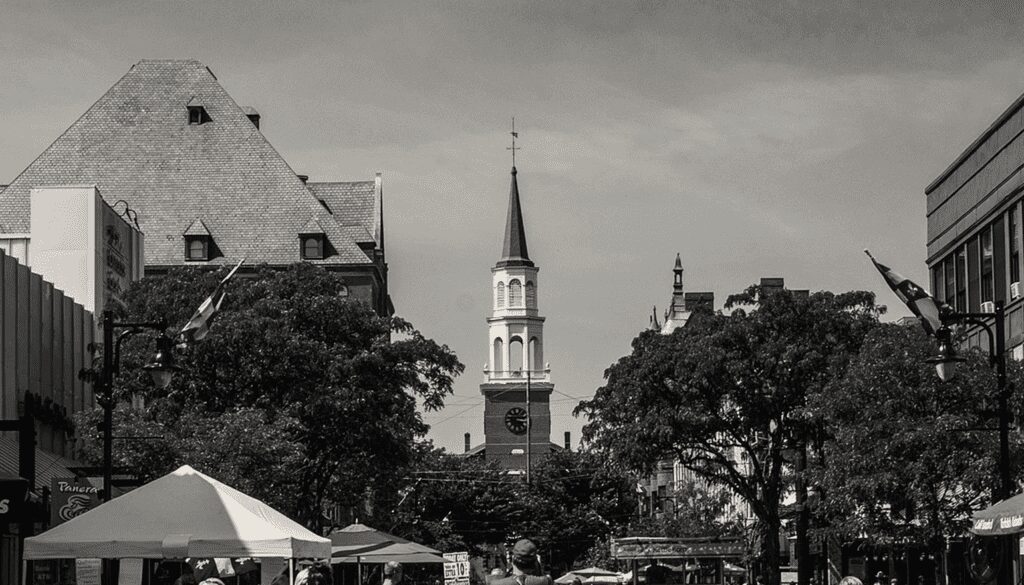
Last night, Burlington used ranked choice voting (RCV) in their city council elections, at the same time as they voted to expand RCV to include all city offices for future elections. Burlington voters approved an RCV ballot measure for city council races in 2021, with 64% in favor. This is the first regular election since then. (RCV was used in a December special election to fill a city council vacancy).
Of Burlington’s five seats up for election via RCV, one race invited more than two candidates. Democratic incumbent Joan Shannon, Progressive nominee Billy Anderson, and independent Faried Munarsyah competed to represent the South District, spanning Wards 5 and 6. Shannon, who has held the seat for nearly 20 years, was re-elected with around 70% of first–choice support. No instant runoff was necessary.
Even when a winner is declared in the first round, RCV still has a positive impact. Candidates cannot be certain whether they will win outright, so they may act more civilly towards opponents in order to win second- or third-choice preferences. Regardless of the outcome, the voting experience is enhanced, as voters are free to express their honest choices.
Other races last night saw one or two candidates competing, but voters had greater voice and choice with the option to rank a write-in candidate.
Prior to the race, Shannon said, “I think ranked choice voting will better reflect the will of the voters. I won my first election in a three-way race. But I was 6 votes short of 50 percent and that always kind of bothered me that it was in fact a little more than 50 percent of the voters that voted against me. You know I didn’t really have the full endorsement of the voters in that election. I think it’s important for those of us who are elected to have the endorsement of the majority.”
Anderson also commented on the state of the race a few weeks ago: “There’s a lot of people that are looking for a new voice and representation in city council . . . So I don’t think it’s entirely a disadvantage that I’m not as well known.” Though Anderson came up short and placed second, his sentiment is consistent with the spirit of RCV. When voters have the freedom to consider backup choices, they may give greater consideration to new, startup candidates.
We can look forward to more RCV races in Burlington in the future, including for mayor, school commissioners, and ward election officers after last night’s ballot measure victory!
Photo by Michelle Maria. This file is licensed under the Creative Commons Attribution 3.0 Unported license. This file was altered for this blog post.