Sacramento ranked choice voting campaign begins
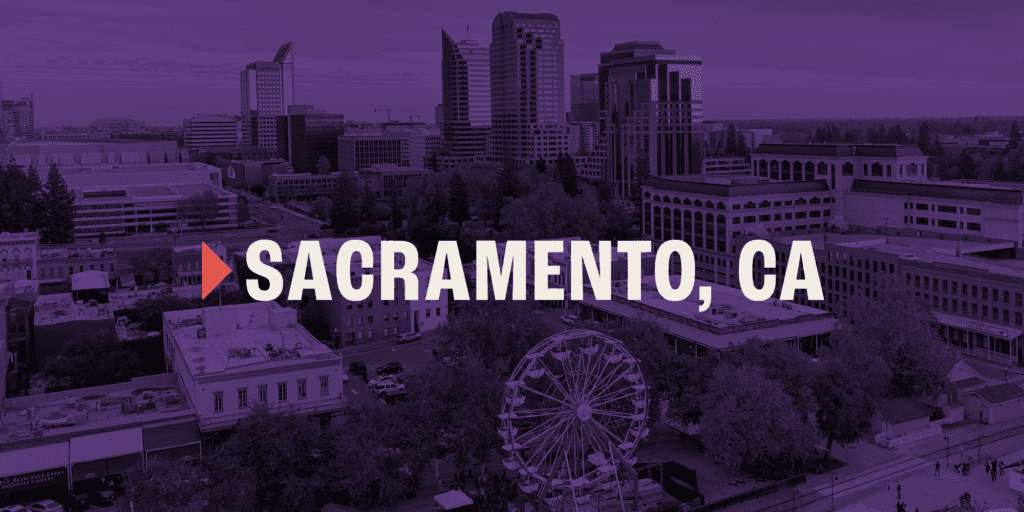
Last week, Better Ballot Sacramento began collecting signatures to bring ranked choice voting (RCV) to California’s capital city. If the proposal makes the ballot and is approved by voters, Sacramento would combine its low-turnout primary and general election – with a single November election that uses RCV and gives tens of thousands more voters a real voice in who governs their city.
Sign up for the latest news from the ranked choice voting movement, or get involved in your community.
Under the city’s current election system, all candidates run on the same primary ballot, regardless of party. The two candidates who earn the most votes advance to the general election. However, if one candidate wins a majority of votes in the primary, that candidate is automatically elected and the general election is cancelled.
In practice, this means races are often decided in the primary alone, when turnout is lower and the electorate is less representative.
For example, in 2024, three of Sacramento’s four City Council seats up for election were filled in the primary, when turnout was just 39%. The general election saw 70% turnout, but those additional voters didn’t get a say in who represents them on the Council.
Sacramento registered voter turnout by year
| Year | Primary election turnout | General election turnout |
|---|---|---|
| 2014 | 30.03% (65,748) | 45.63% (98,373) |
| 2016 | 50.28% (112,784) | 71.07% (178,060) |
| 2018 | 41.69% (99,164) | 64.91% (158,035) |
| 2020 | 48.61% (128,770) | 78.87% (226,787) |
| 2022 | 38.37% (105,336) | 53.02% (146,188) |
| 2024 | 39.36% (108,005) | 70.32% (199,420) |
Share of Sacramento electorate in 2024
Renters, people of color, and young people tend to have especially low turnout in primaries.
| Group | Share of primary election voters | Share of general election voters |
|---|---|---|
| Likely renters | 29% | 38% |
| Voters of color | 42% | 50% |
| Voters under 44 | 30% | 44% |
If Sacramento adopts ranked choice voting, all local races would move to the general election in November – when more people vote. Election outcomes would better reflect what the community wants.
When candidates only need a small portion of voters to win, candidates’ platforms can be tailored to just a fraction of their constituents. A higher-turnout election with ranked choice voting would solve that problem, encouraging candidates to look beyond their existing bases and focus on what is best for the whole community.
Moreover, when candidates have to appeal to a broader audience – including as some voters’ second or third choice – there is less incentive to run negative campaigns. As a result, RCV leads to more inclusive and positive campaigning.
For more information on ranked choice voting in Sacramento and ways to get involved, visit Better Ballot Sacramento.